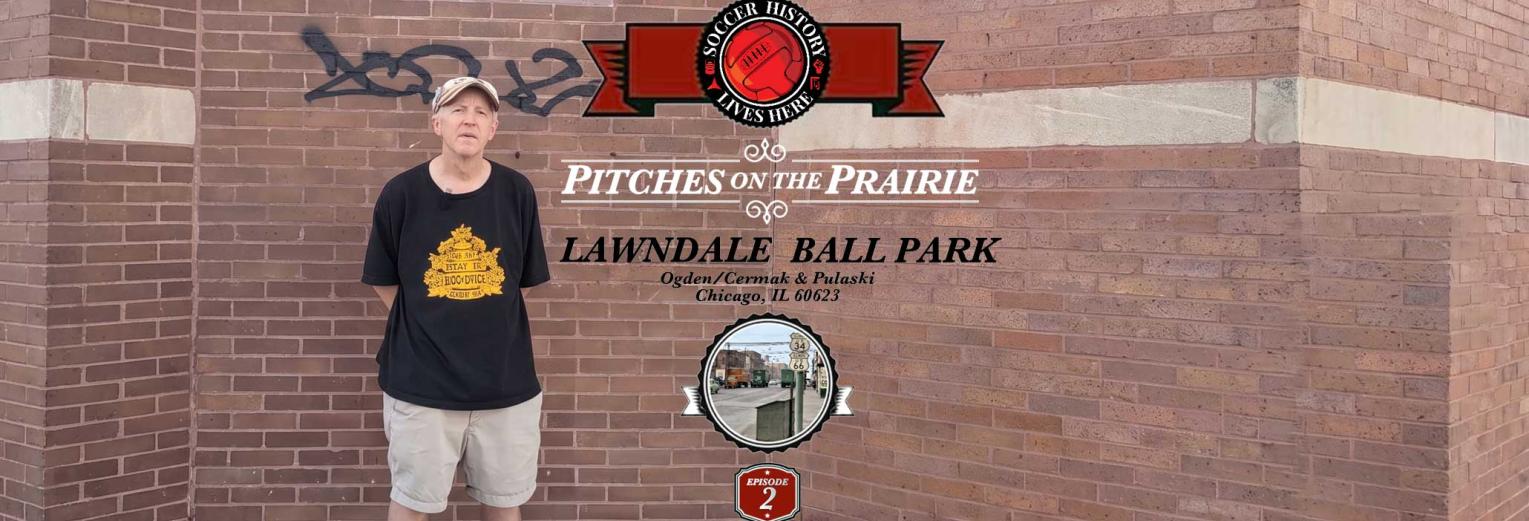
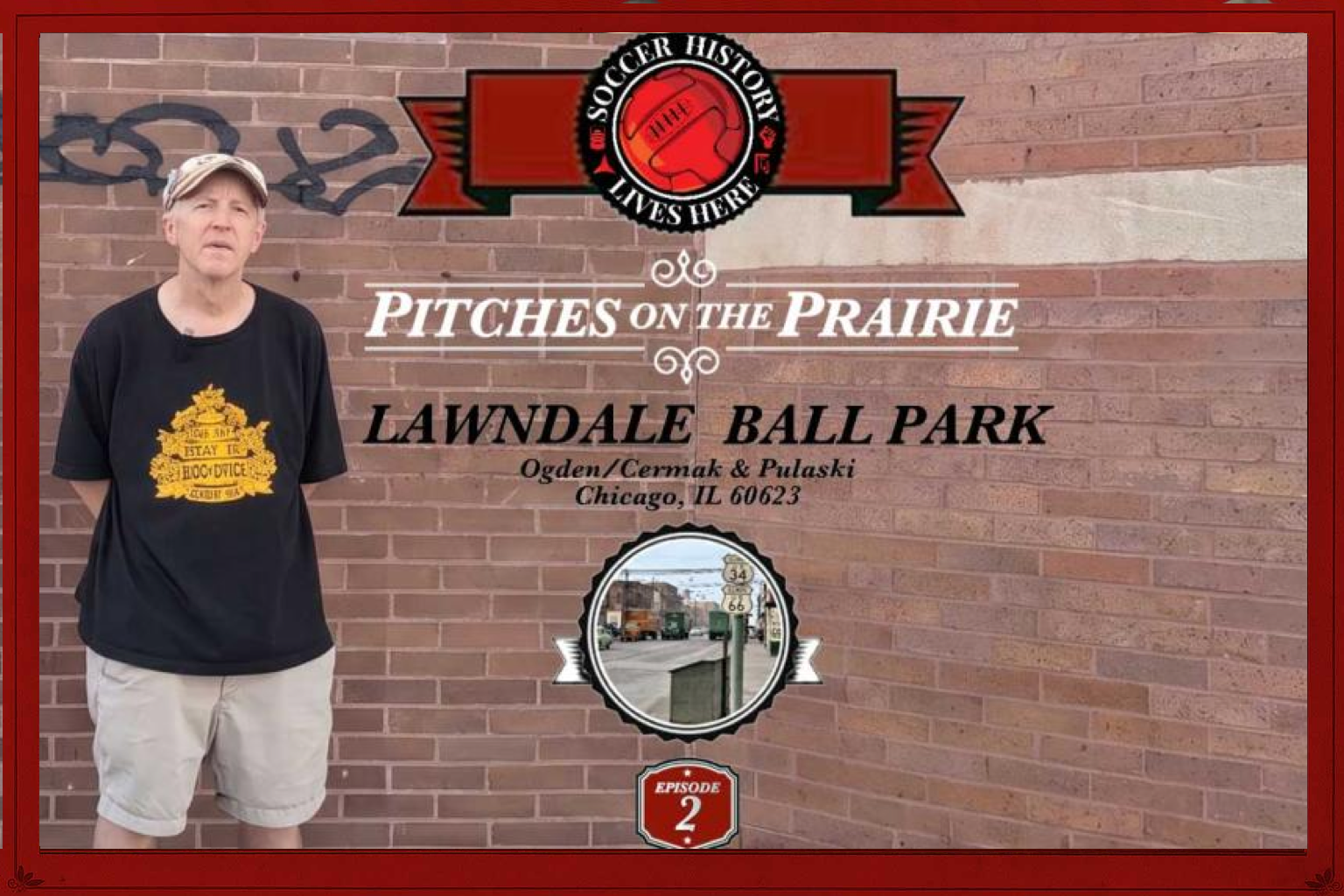
Pitches on the Prairie Ep 2 - Lawndale Baseball Park
This 2nd soccer ground is a bit more obscure, but also worth recognizing: Lawndale Ball Park at the corner of Ogden and Pulaski in Chicago’s North Lawndale community.
- Length
1:28
- Category
Stadiums
- Decade
1900s
- Tags pitches on the prairie Peter Peel McDuffs Hibernian Baseball Logo-Chicago Bricklayers
Description
Pitches on the Prairie Ep 2 - Lawndale Baseball Park
Lawndale Ball Park
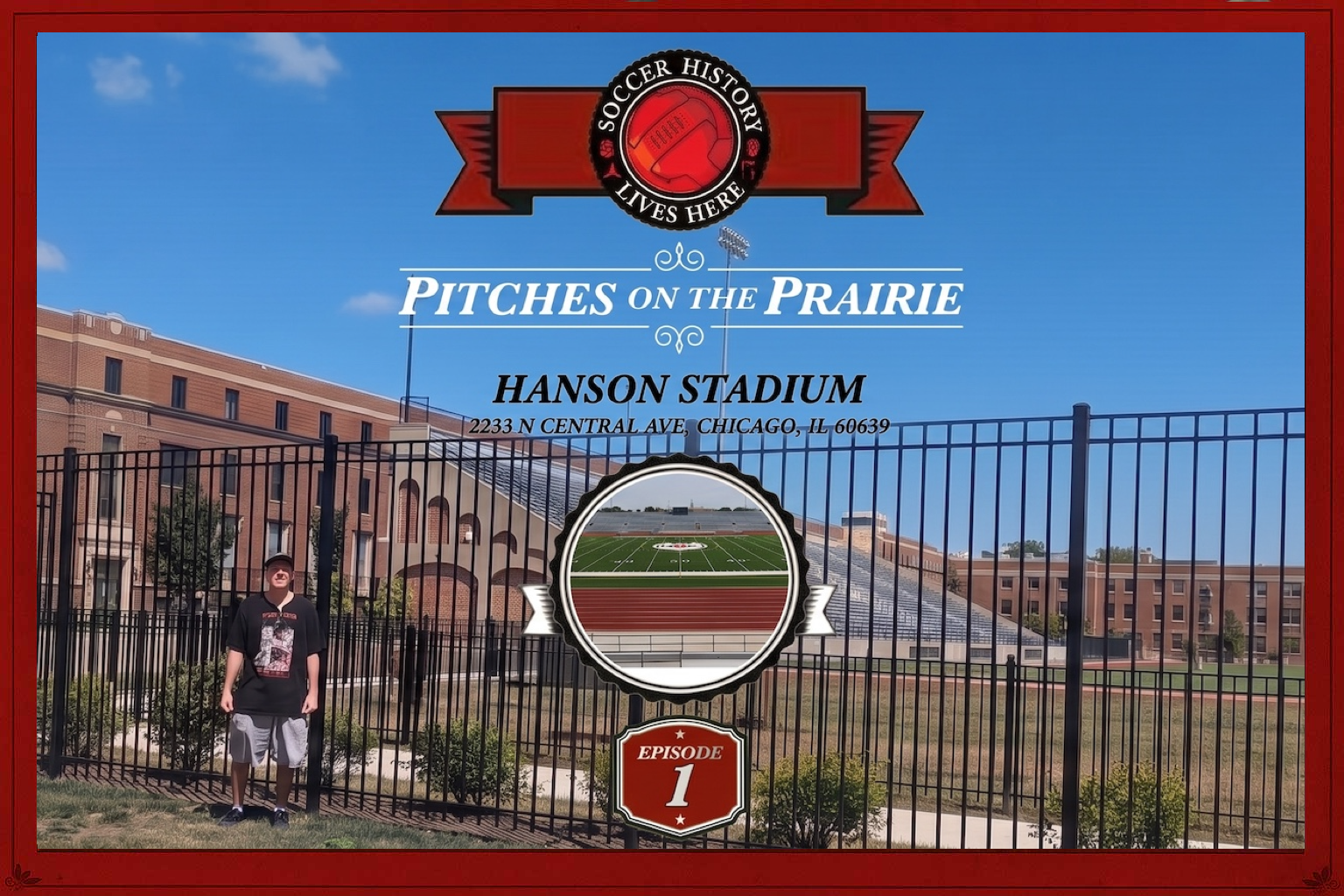
The next installment of Soccer History Lives Here’s #pitchesontheprairie project is now available!
Our first site was Hanson Park, a well known soccer ground, which had international stars such as Pele play there. This 2nd soccer ground is a bit more obscure, but also worth recognizing: Lawndale Ball Park at the corner of Ogden and Pulaski in Chicago’s North Lawndale community.
Narration video filmed in North Lawndale on 3 August 2026
Shirt: “All We Have is Each Other, Mutual Aid” from PM Press.
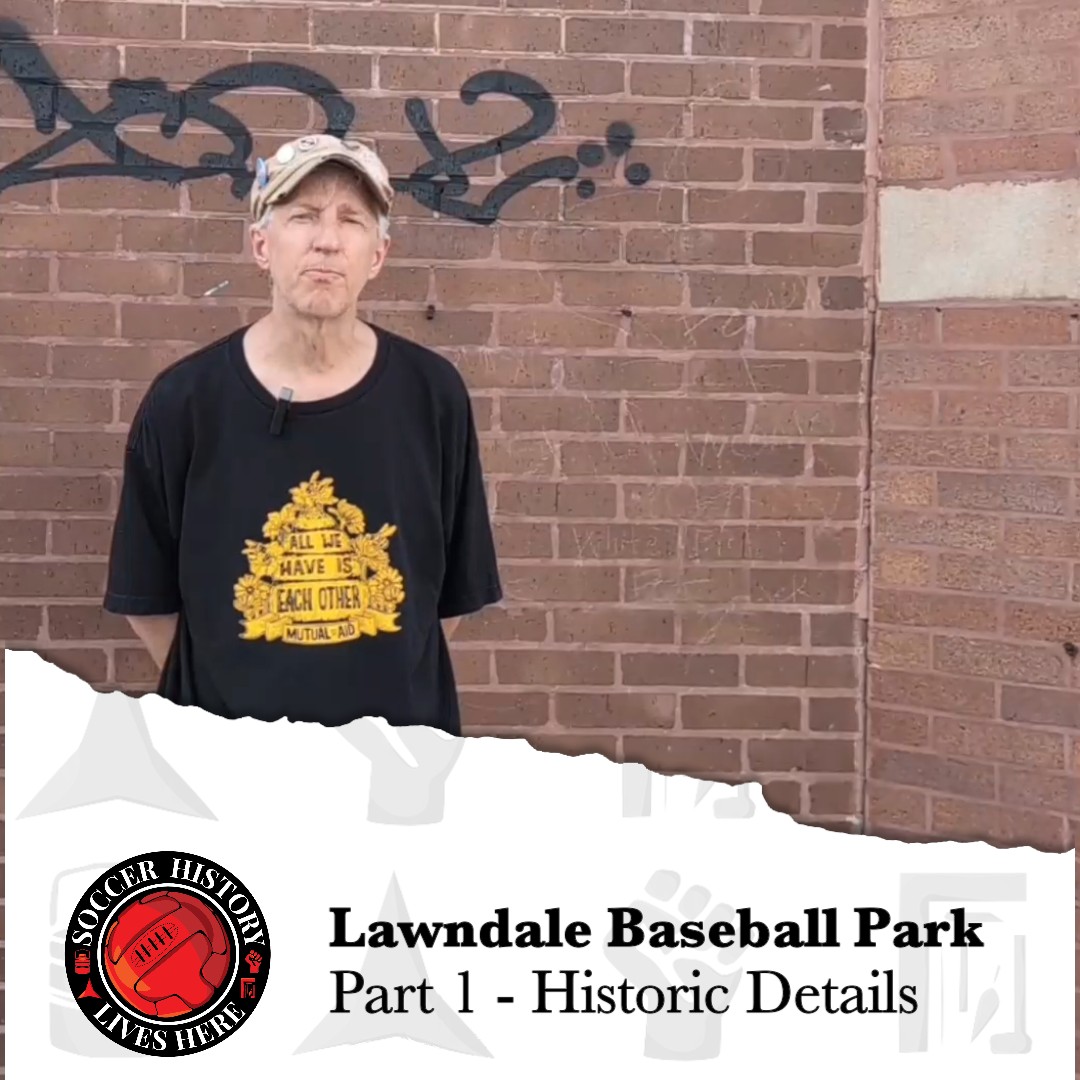
Part 1 - Historic Details
Part 1 - Historic Details
Lawndale Ball Park
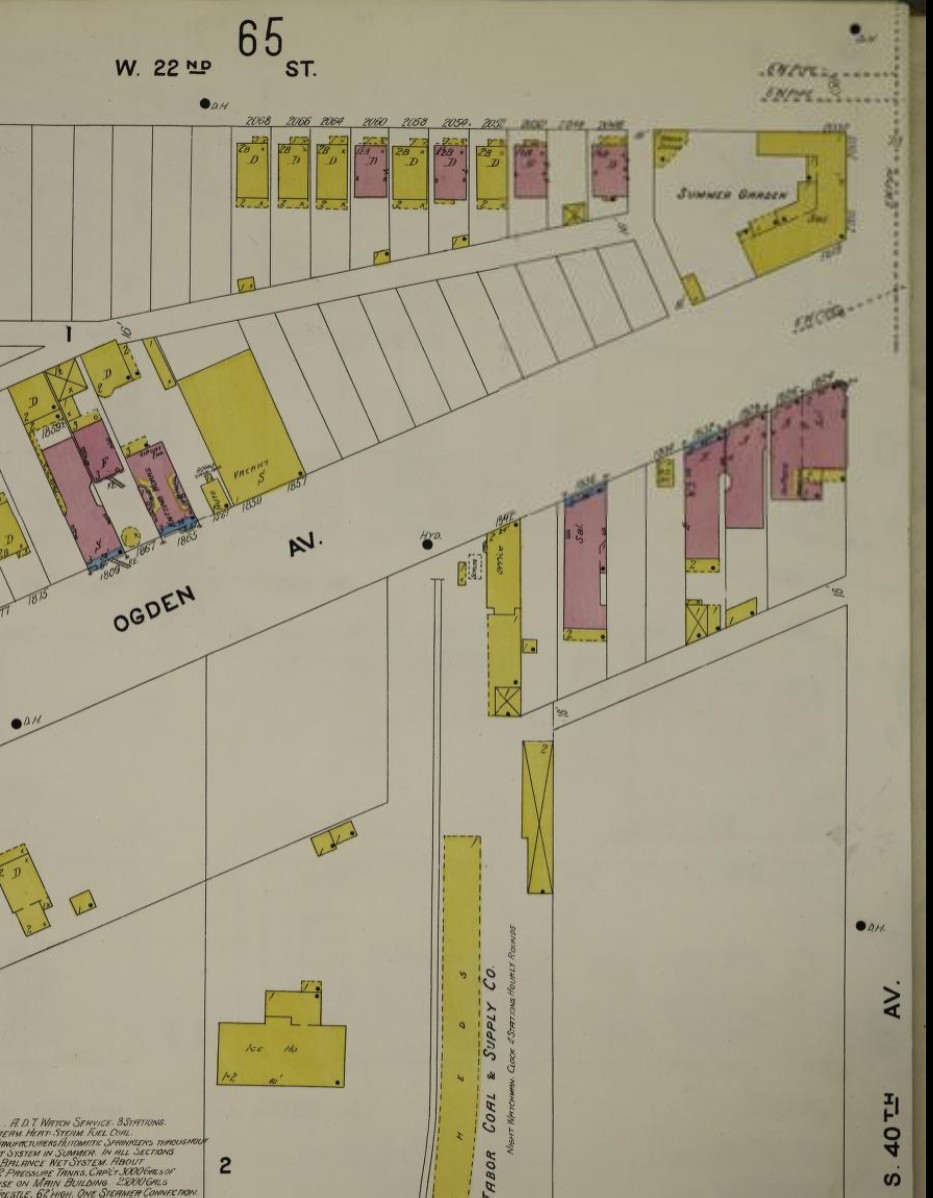
LOCATION: North Lawndale Community NW Corner of South Pulaski Rd and West Ogden Ave (Cermak St bordered north side of ground) (Photo 2-Chicago map, 3-1909 Sanborn Map)
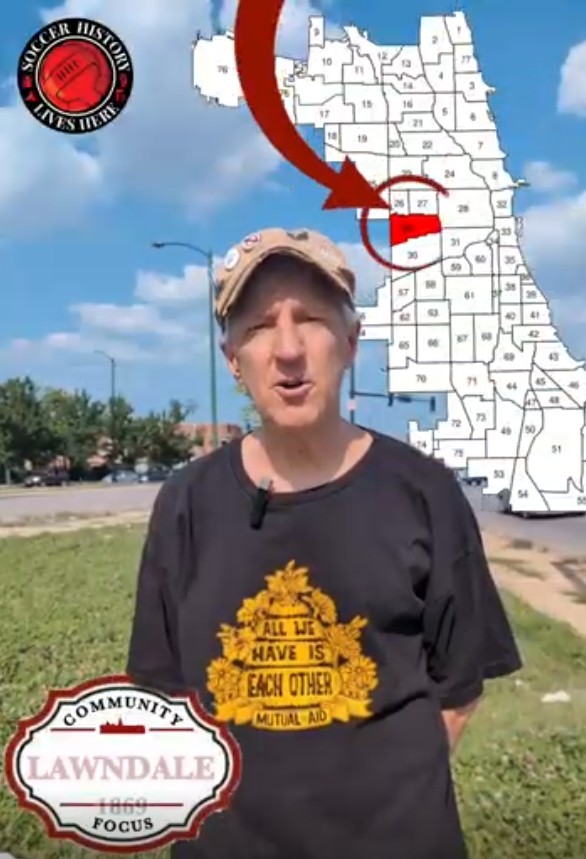
Shirt: All We Have Is Each Other: Mutual Aid from PM Press (1)
Chicago’s Lawndale community on the west side of the city, has hosted sporting events for more than a century. The Illinois Central Railway built a train line on 40th Street (Pulaski Rd) which terminated at Ogden Ave (Rte. 66) in 1888. This train line spurred growth, and a mix of housing, industry and open space for sports followed.
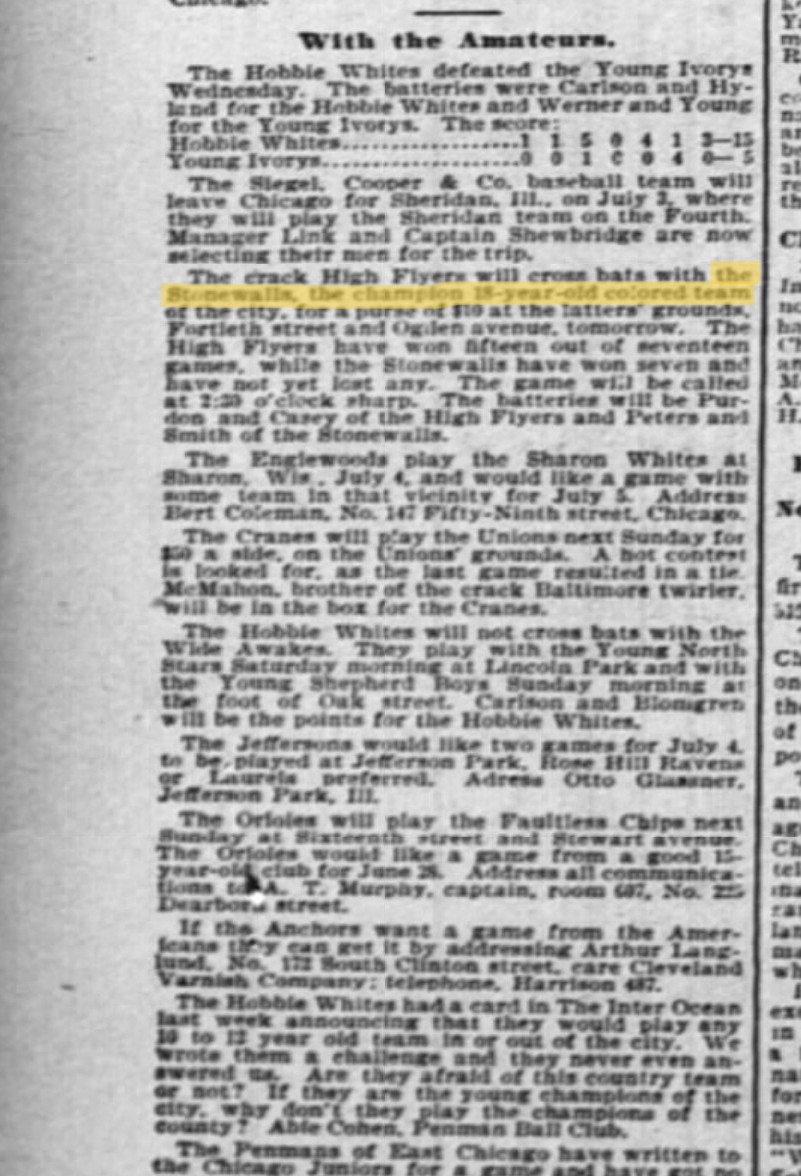
By the mid 1890’s a baseball diamond had been constructed, and teams from Chicago’s vibrant amateur and semi-professional leagues played there. The Stonewalls, a team made up of Black players under 18 called it home in 1896 (4). In 1908, the more well known Black team, Chicago Union Giants, kicked off their season with a game against a Joliet team (5+6).
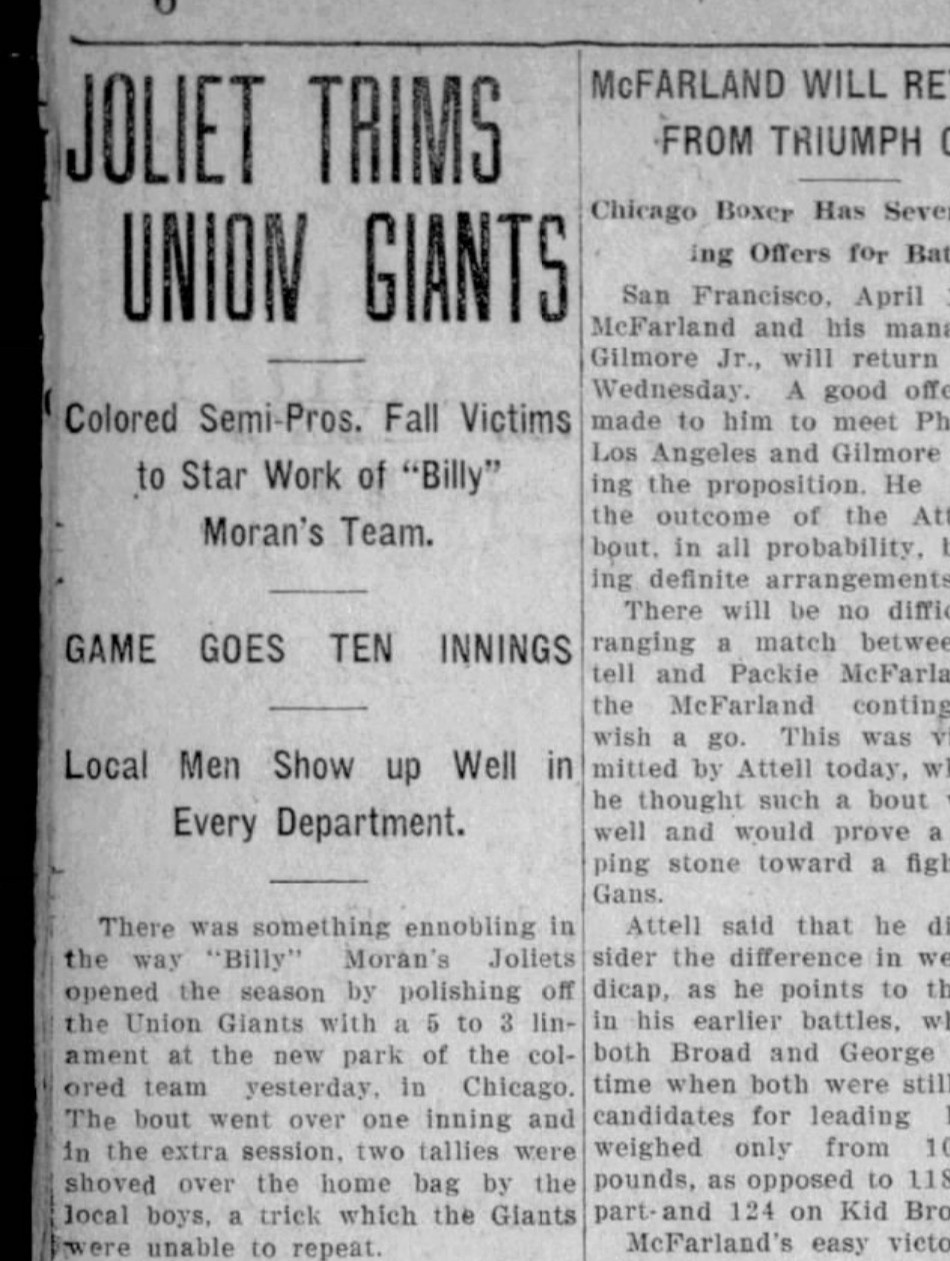
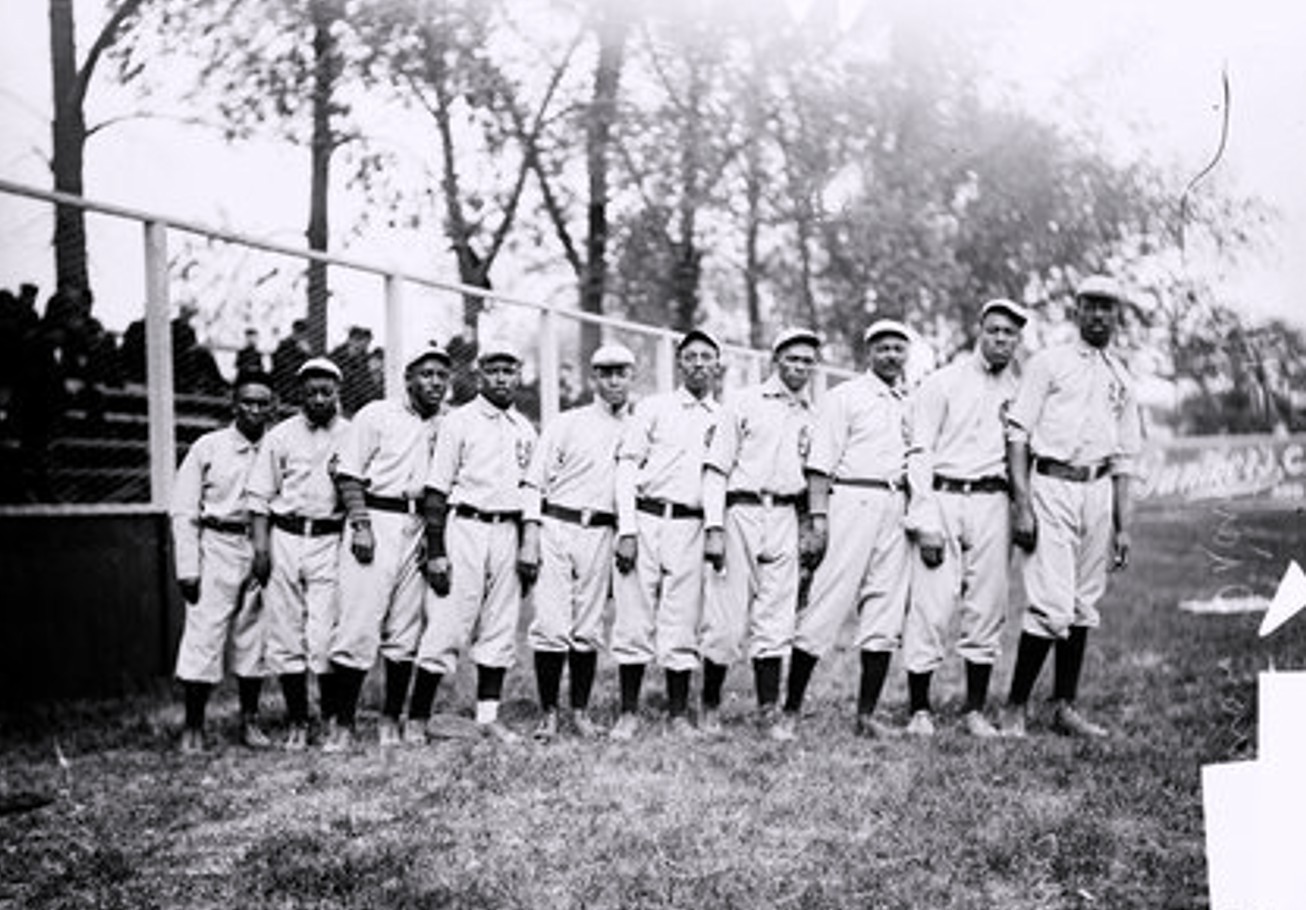
While “Major League” Baseball was a racist, whites-only organization, baseball in the Chicago area thrived with a plethora of diverse teams. The Bloomer Girls Stars, a primarily female led baseball team played games at Lawndale Ball Park shortly after the turn of the century, and the White Rocks team, that became the Lawndales, enclosed the ground and updated the grandstand in 1905. (7+8)
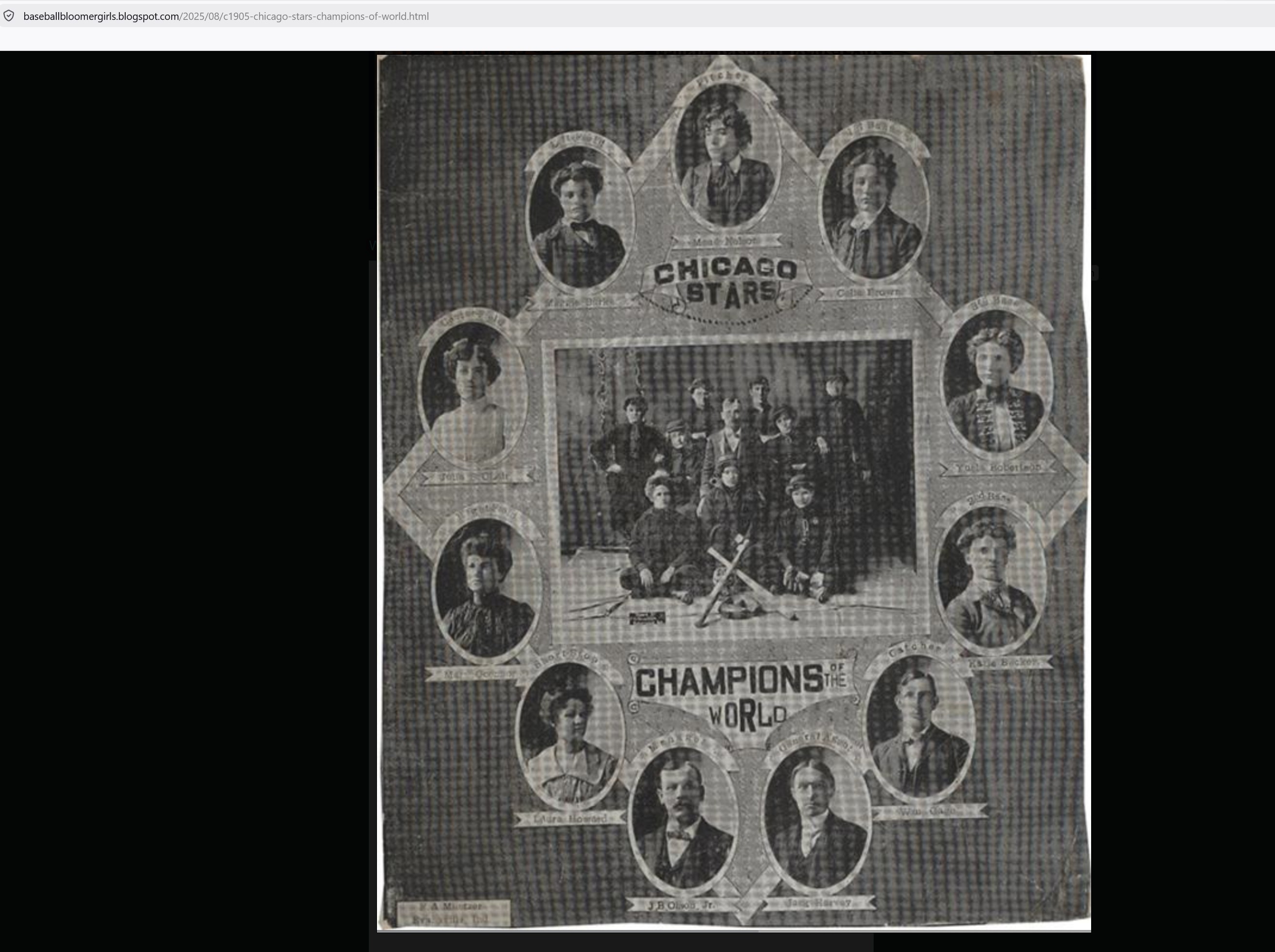
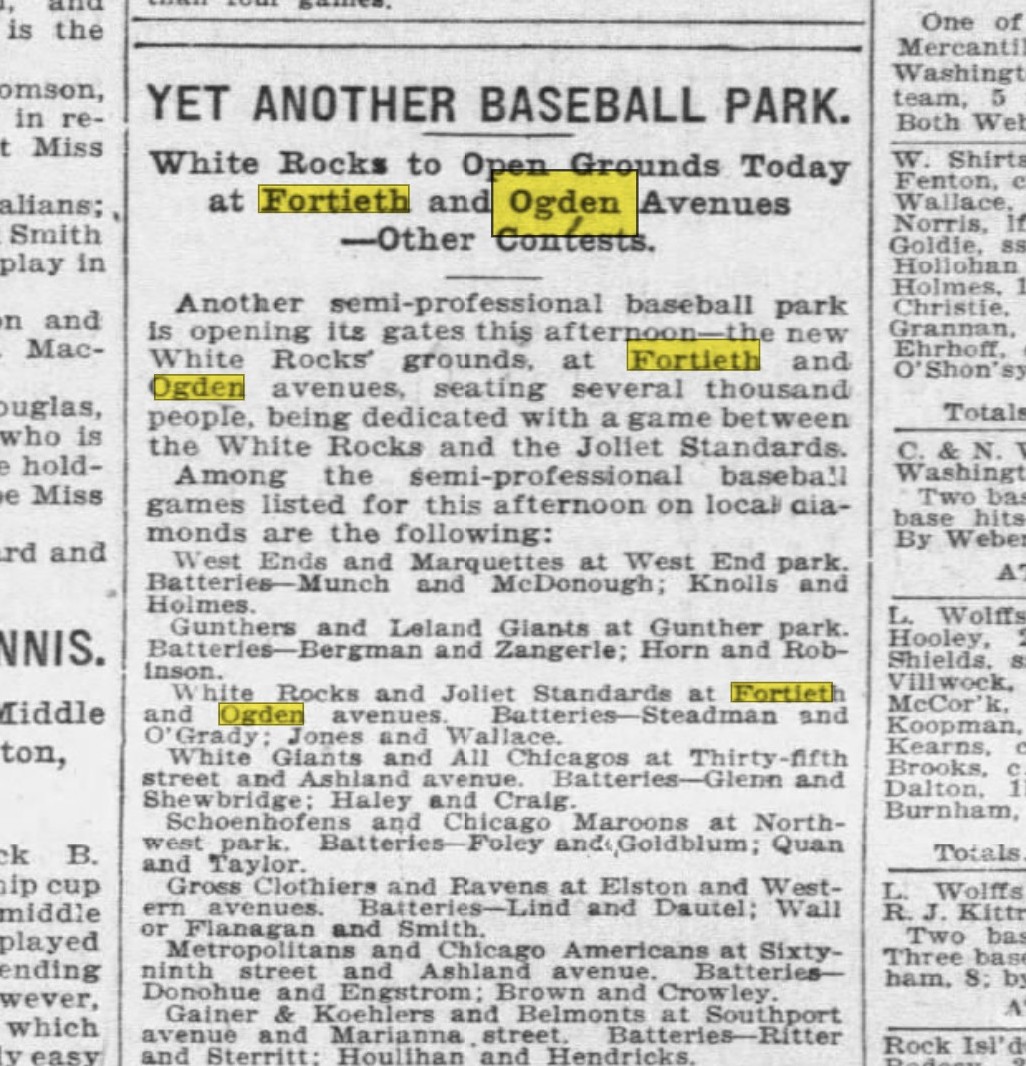
The Chicago area has an extensive history of baseball beyond the two MLB teams, and Lawndale Ball Park was one of hundreds of spaces where community teams played competitive games. Imagine if professional baseball had actually been an open competition instead of the closed system run by racist, greedy business owners such as Charles Comiskey.
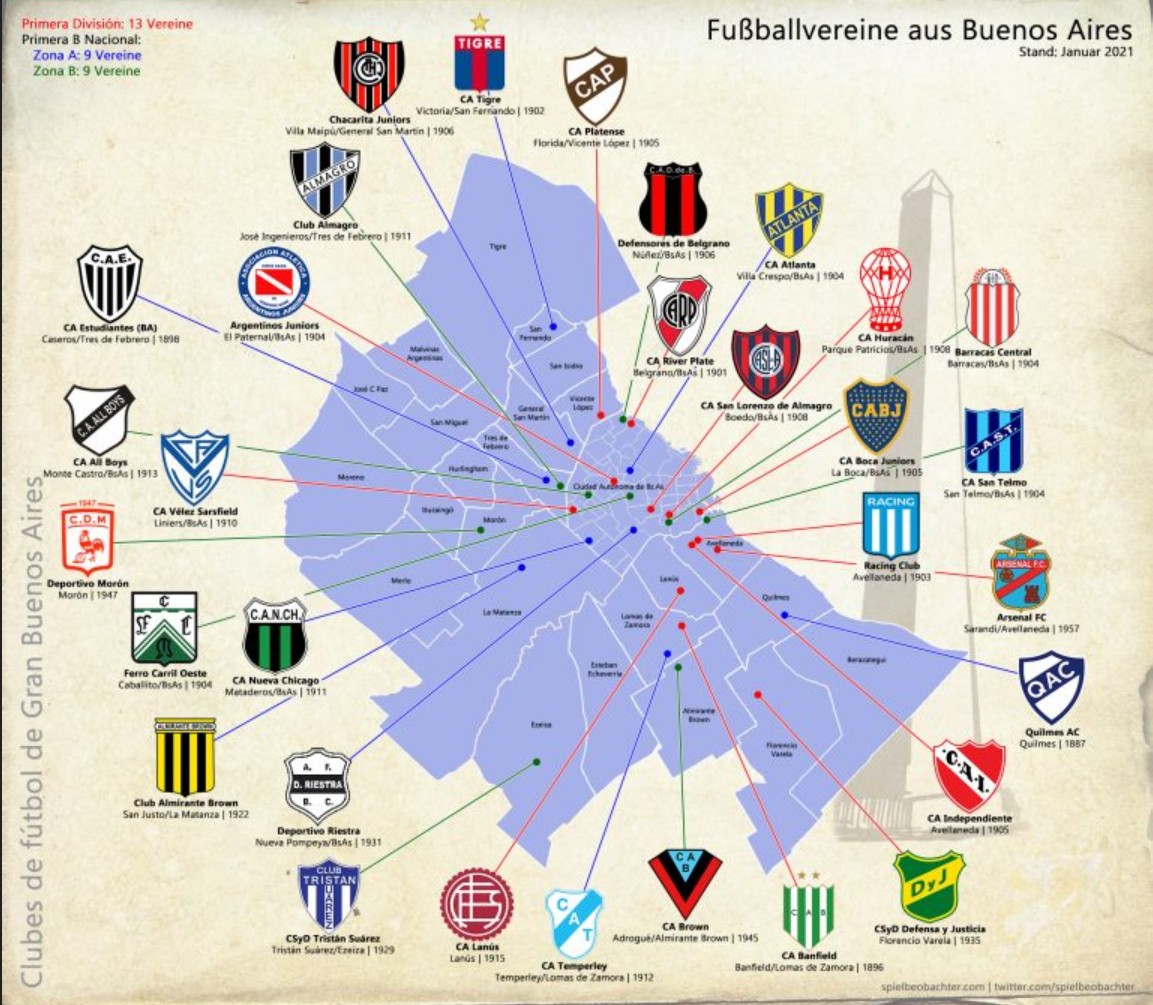
Could Chicago have upwards of 15 pro baseball teams, the way Buenos Aires has >15 pro soccer teams? (9) Could women’s professional baseball be playing a full, nationwide season?
Support your local community sports teams!
#pitchesontheprairie
Photo 1: Narration Video screenshot
Photo 2: Community Map of Chicago, Public Use
Photo 3: Sanborn Map: Sanborn Fire Insurance Map from Chicago, Cook County, Illinois. Sanborn Map Company, Vol. B, 1909. Map. https://www.loc.gov/item/sanborn01790_069/
Photo 4-19 June 1896 Chicago Inter-Ocean p. 10
Photo 5-13 Apr 1908 Joliet Evening Herald p. 6;
Photo 6 Chicago History Museum
Photo 7 Bloomer Girls website (https://baseballbloomergirls.blogspot.com/2025/08/c1905-chicago-stars-champions-of-world.html)
Photo 8-2 Jul 1905 Chicago Tribune p. 10
Photo 9-Buenos Aires Soccer Map (https://spielbeobachter.com/wp-content/uploads/2021/03/BsAs_fussballvereine-768x674.jpg)
Part 2 - Historic Details
The 1908 Final at Lawndale Ball Park
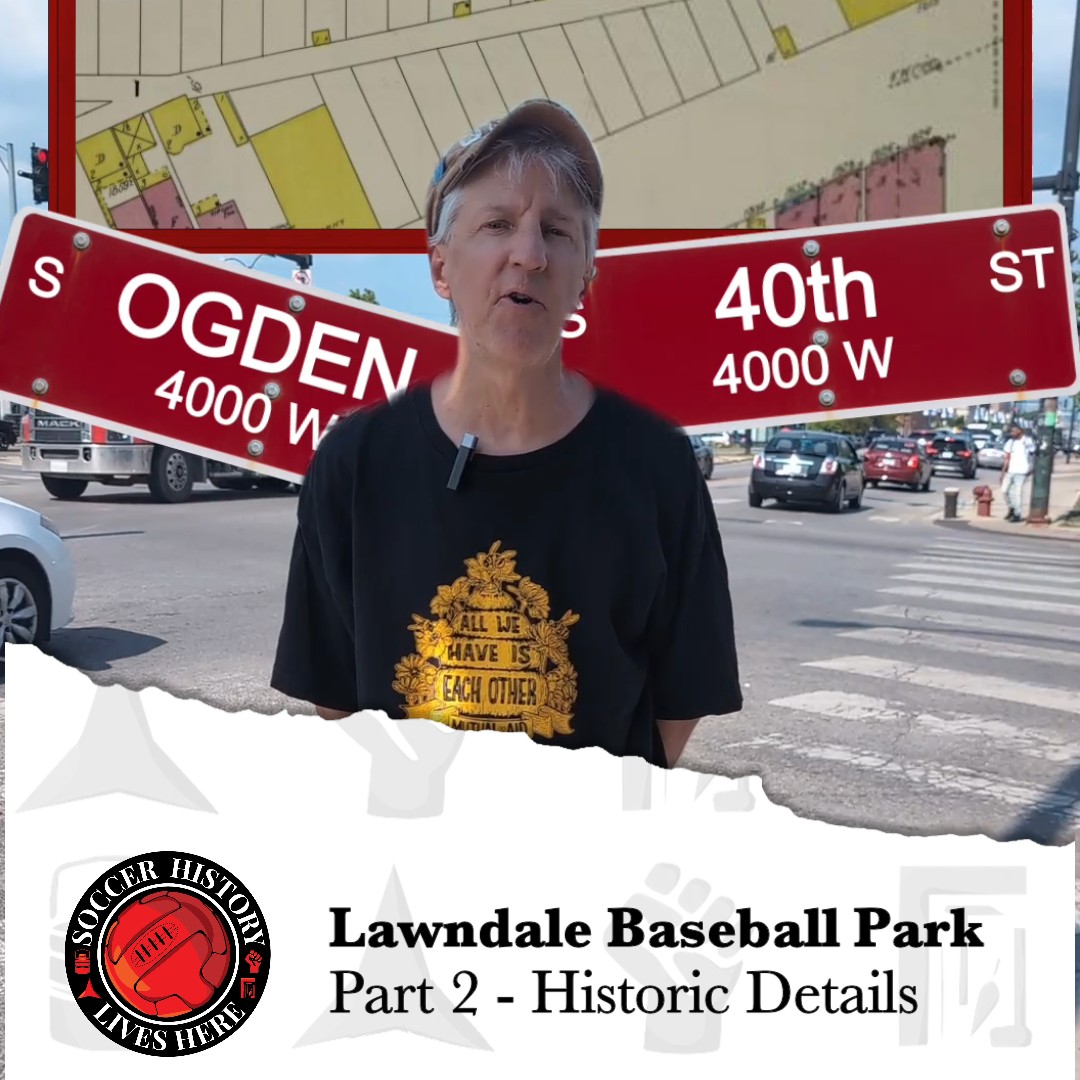
Baseball had been played on this site at Pulaski and Ogden since the 1890’s and soccer was not far behind. (PHOTO 1-Historic Detail)
The Lawndale Park ground was established enough in the early 20th century to host a Chicago soccer championship. In 1908, the Chicago area had two competitive Leagues, the Chicago League of Association Football (CLAF), which competed for the Jackson Cup, and the Association Football League of Chicago (AFLC), which competed for the Spalding Cup.
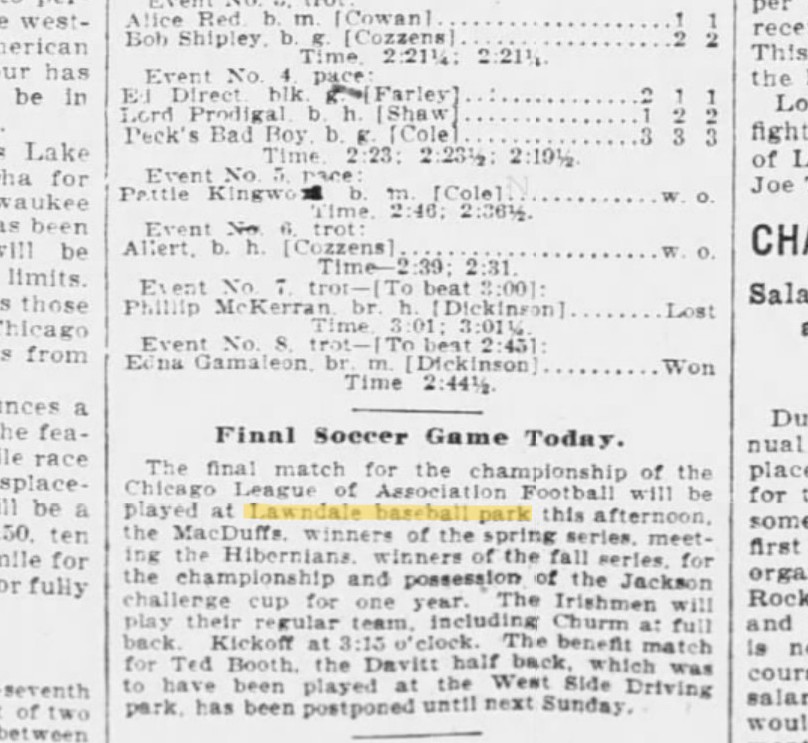
To complicate matters further, the CLAF Jackson Cup series was actually split into separate Fall and Spring competitions. In Fall 1907, Hibernians, an Irish aggregation topped the table, while McDuffs, a primarily Scottish team, won the 1908 Spring season. To earn the Cup, a final was necessary, and on August 2, 1908 Hibs met McDuffs at Lawndale Ball Park in a Shamrock v Thistle duel (2).
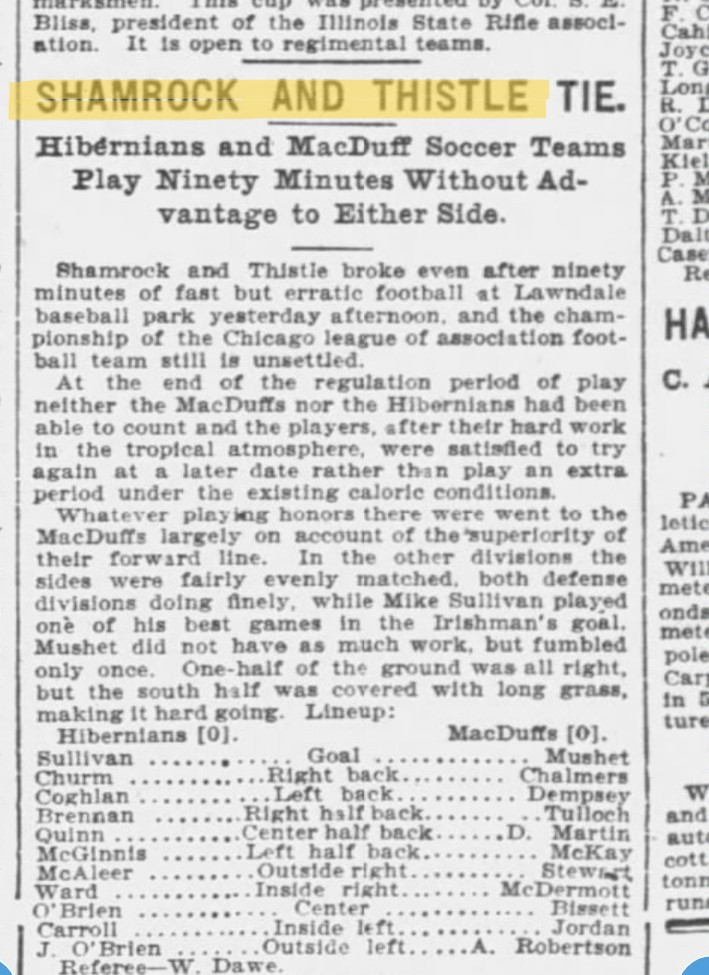
It seems the ground was a bit rough for the soccerites (3-3 Aug 1908 Chicago Tribune), and the result in Lawndale was a 0-0 draw, which was resolved a few weeks later when Hibs won a close 1-0 match at the West Side Driving Park.
While Ted Booth, a soccer player in the Chicago area in the early 1900’s, did not line up in the Jackson Cup final, he did play for Hibernian in 1907 (4). In 1912, after a Wanderers soccer match in Joliet, IL, Booth, accompanying the Wanderers team, was shot and killed on a train headed back to Chicago (5). Was Booth an Irish international now plying his trade in Chicago? Or, an Illinois coalfields born imposter? We’ll talk more about Booth in a future Soccer History Lives Here project where we try to solve some of the mysteries of Illinois soccer history.
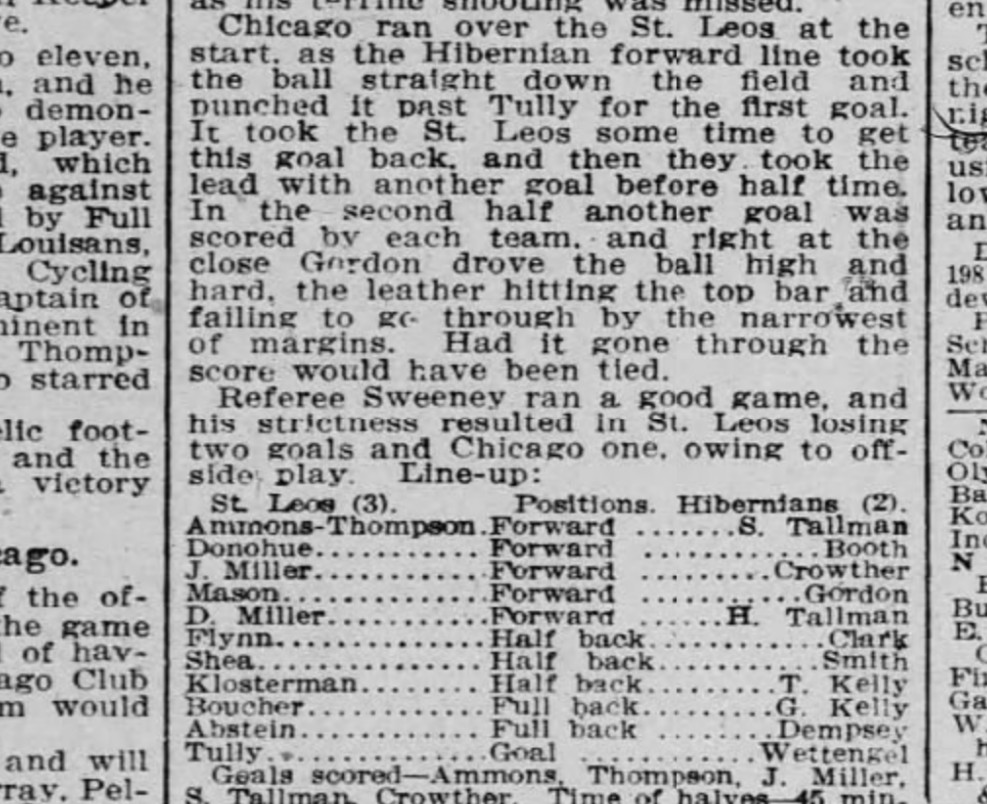
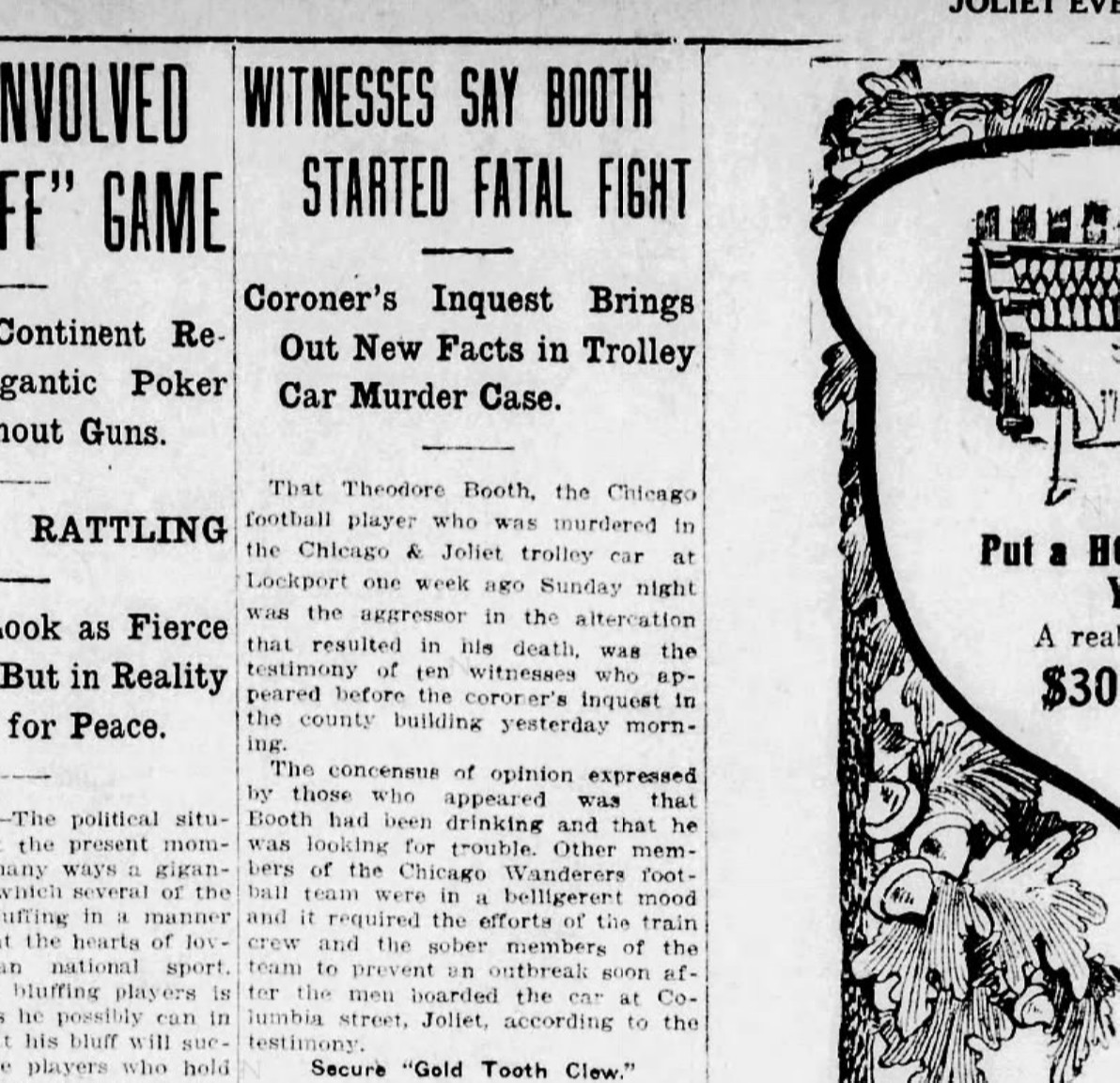
Photo 1: Narration Video screenshot
Photo 2: 2 Aug 1908 Chicago Tribune
Photo 3: 3 Aug 1908 Chicago Tribune
Photo 4: 30 Dec 1907 St. Louis Globe-Democrat
Photo 5: 25 Nov 1912 Joliet Evening Herald
Credits
Inserts:
Historic photos of intersection, public use
Sanborn Map, Sanborn Fire Insurance Map from Chicago, Cook County, Illinois. Sanborn Map Company, Vol. B, 1909. Map. https://www.loc.gov/item/sanborn01790_069/
Plat of Lawndale, Chicago Public Library, Real Estate Ad
White Rocks Park clipping, 2 July 1905 Chicago Inter-Ocean, p. 12
Campbell Rovers team photo, 15 December 1907 Chicago Tribune p. 27
Hibernian team photo, 18 April 1909, Chicago Inter-Ocean, p. 26
McDuffs team photo, Spalding Guide Soccer Football 1911-12
Peter Peel photo with trophy, Dick Vidano Collection at Carbon Hill Museum, Carbon Hill, IL
Ted Booth clipping, 18 November 1912 Joliet Evening Herald p. 1
Lawndale Baseball Player, Colorized by @almostinform from Chicago History Museum
Soccer History Lives Here Logo element: Bricklayers, representing an historic Chicago soccer site
We welcome your insights, corrections, and perspectives. Your contribution helps build a more complete history of the game.